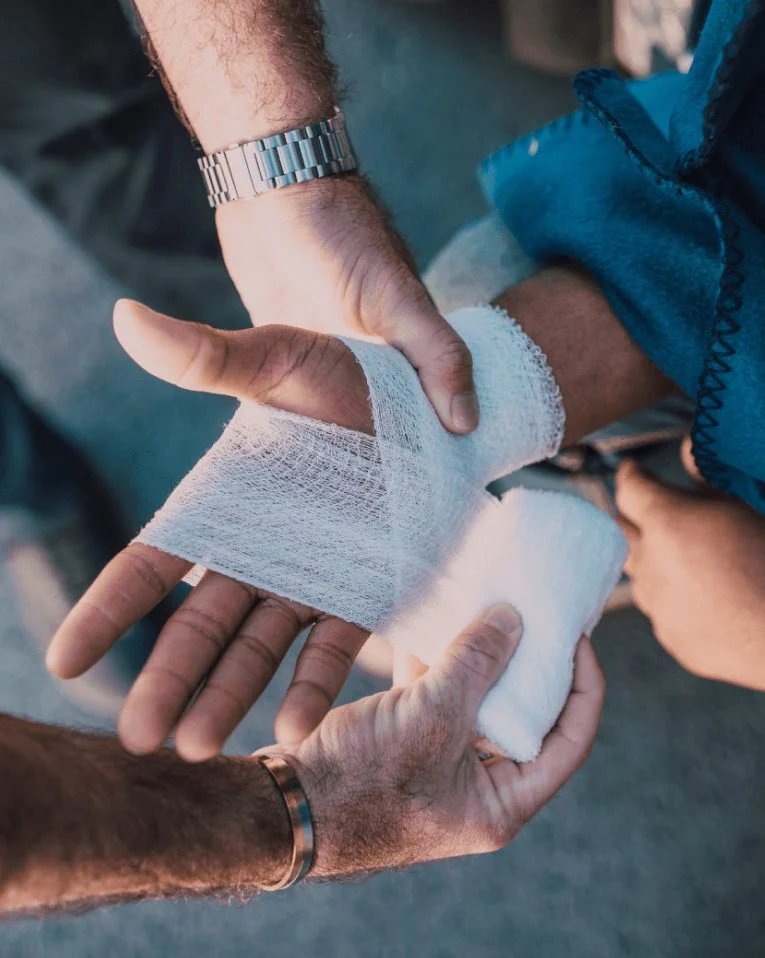


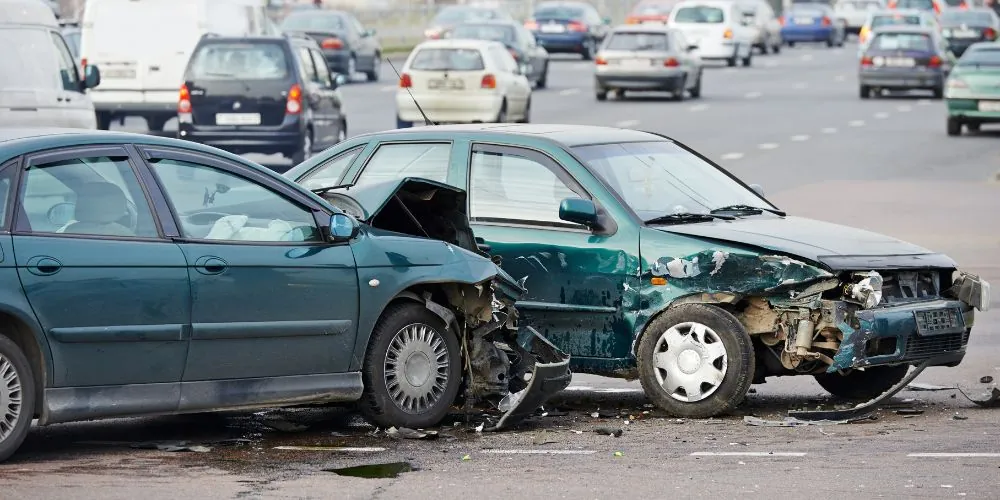
At the scene
If anyone is or may be hurt, Texas law requires you to stop at the scene, or as close to it as you can without blocking traffic more than necessary, and check whether anyone needs help. You have to give the other people involved your name and address, your vehicle's registration number and the name of your insurance company, and show your driver's license if they ask. If someone clearly needs medical care, the law expects you to help get them to it.
When a crash injures someone or leaves a car that can't be driven safely, the police have to be notified right away. Inside McAllen city limits that means the McAllen Police Department. Outside city limits it's the Hidalgo County Sheriff's Office or the nearest Texas Department of Public Safety office. Calling 911 is the quickest way to reach the right one.
Keep what you say short. "Are you okay?" is fine. "I'm sorry, I didn't see you" can end up in the officer's report and in the insurer's file as an admission, even if the other driver ran the light.
Get medical care, even if you feel fine
Neck and back injuries, concussions and some internal injuries often don't show symptoms until hours or days later, partly because adrenaline masks pain, which is why a same-day visit to an urgent care or the ER matters. The signs to watch for are in our guide to delayed injury symptoms.
The insurer will look at the gap between the crash and your first doctor's visit. A long gap lets them argue that something else caused the pain. Keep every bill, receipt and discharge sheet, and follow the treatment plan you're given.
Check your own policy too. Texas auto policies include personal injury protection, which pays medical bills and lost wages, unless you turned it down in writing when you bought the policy.
Document everything
Take photos of every vehicle from several angles, the license plates, the traffic signals and signs, skid marks, debris, and your injuries. Get the names and phone numbers of witnesses before they leave; people who stop to help often leave before the police arrive.
If the crash happened near a business on 10th Street, Nolana or Expressway 83, ask the same day whether its cameras caught it. Many systems record over their footage, and once it's gone it can't be recovered. That evening, write down what you remember: the time, the weather, which lane each car was in, what the other driver said. Keep the tow receipt, the rental car bill, and a note of every day you miss work.
Get the crash report
When police investigate, the officer files a Texas Peace Officer's Crash Report, known as the CR-3. You can buy a copy through TxDOT's Crash Report Online Purchase System for $6, or $8 for a certified copy. Reports are released to people directly involved in the crash, their representatives and insurers. Read it carefully. The officer's diagram, the listed contributing factors and the witness names will shape how adjusters see the case. If something is wrong, such as the wrong lane or a missing witness, it's easier to deal with early.
Talking to insurance adjusters
Report the crash to your own insurance company as your policy requires. The other driver's insurer may call quickly and ask for a recorded statement. You don't have to give one, and it's wise to wait until you've talked to a lawyer. Don't sign a medical authorization or a release from the other driver's insurer before you know what it covers.
Texas requires drivers to carry at least $30,000 of coverage per injured person, $60,000 per accident and $25,000 for property damage. A serious injury can cost more than that. If the other driver had no insurance or too little, your uninsured/underinsured motorist coverage may pay the difference. Insurers have to offer it, and you only lack it if you rejected it in writing.
Expect the insurer to argue about fault. Under Texas's 51% fault rule, your recovery shrinks by your share of the blame and disappears if you were more than half at fault. Fault is also one of the most common reasons insurers give for denying a claim; the others are in why insurers deny car accident claims.
When to talk to a lawyer
Call a lawyer if you were hurt badly enough to need ongoing treatment, if fault is disputed, if a commercial truck or a company vehicle was involved, or if the other driver had no insurance. The same goes if an adjuster is pressing you to settle before you know how your injuries will heal. You have two years from the crash to file a lawsuit in Texas, and how long you have to file can be shorter when a city vehicle was involved.
A McAllen car accident lawyer at our office can go over your case with you in English or Spanish. If you're also worried about your immigration status, our article on injury claims and immigration status answers the most common questions.
This article is general information. It is not medical or legal advice, and reading it does not create an attorney-client relationship. Read our disclaimer.
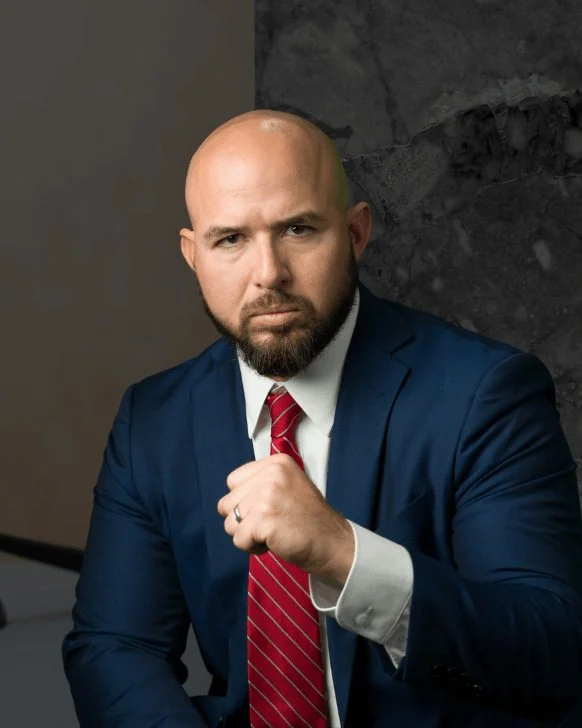
J.D., Thurgood Marshall School of Law. Licensed in Texas, admitted to the Southern District of Texas. Handles personal injury and immigration cases at Alex Martinez Law.